Understanding Why Older Adults Are More Vulnerable to Metastatic Skin Cancer
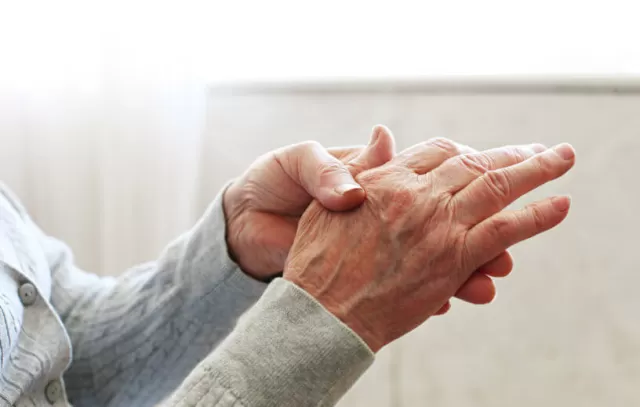
A recent study led by researchers from Johns Hopkins Kimmel Cancer Center has brought attention to the heightened susceptibility of older individuals to metastatic skin cancer. Published in Nature Aging, the study delineates how age-related changes in skin composition contribute significantly to the severity and dissemination of skin cancer.
The study underscores that as skin ages, it undergoes notable physical transformations characterized by increased stiffness and reduced elasticity. These alterations instigate a substantial upsurge in the production of a protein called ICAM1. This protein assumes a crucial role in fueling the growth of new blood vessels within tumors, thereby furnishing them with vital nutrients for proliferation. Furthermore, ICAM1 induces the permeability of these blood vessels, facilitating the escape of cancer cells from the primary tumor and their dissemination to distant body sites.
Dr. Ashani Weeraratna, associate director for laboratory research at the Kimmel Cancer Center and professor of oncology at the Johns Hopkins University School of Medicine, emphasizes the multifaceted implications of these skin changes. "As we age, the stiffness of our skin changes," says Dr. Weeraratna. "This not only affects physical attributes but also has signaling implications, potentially leading to increased new blood vessel formation or disruption of blood vessel function."
Melanoma, the most lethal form of skin cancer, poses a significant threat to the elderly population. With projections indicating over 200,000 Americans diagnosed with melanoma in 2024 alone, the study underscores the elevated risks faced by older individuals, including heightened chances of recurrence, metastasis, and mortality.
Researchers delved into the underlying mechanisms of age-related skin alterations, focusing on the diminished production of a protein known as HAPLN1. This protein plays a pivotal role in maintaining the structural integrity of the extracellular matrix, a scaffold that supports skin suppleness. The decline in HAPLN1 levels with age indirectly contributes to heightened ICAM1 levels, exacerbating the adverse consequences associated with skin aging.
In a promising breakthrough, Dr. Weeraratna and her team showcased the efficacy of treating older mice afflicted with melanoma using drugs that inhibit ICAM1. These interventions substantially reduced tumor sizes and impeded metastatic spread, offering a ray of hope for the development of targeted therapies tailored for melanoma in the elderly.
Beyond its implications for skin cancer management, the study's findings extend to a broader understanding of the aging process's impact on wound healing and other age-associated diseases such as cardiovascular ailments and strokes. The significance of angiogenesis, the process of new blood vessel formation, transcends cancer and encompasses wound healing and the maintenance of organ health.
In conclusion, the study unravels the intricate nexus between skin aging and the development of metastatic skin cancer in older adults. By elucidating these mechanisms, researchers lay the groundwork for the development of precision therapies that could mitigate the devastating impact of melanoma and other age-related malignancies. As we continue to decipher the complexities of aging and disease, these insights hold promise for enhancing the quality of life for older adults worldwide.