Stella McCartney Faces Financial Storm, Sales Plunge
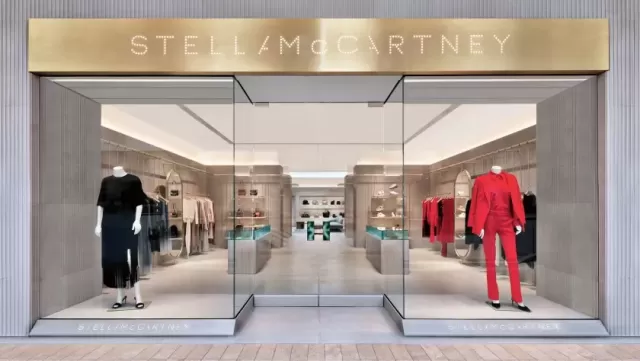
Stella McCartney's eponymous fashion label has been plunged deeper into financial difficulty, with sales collapsing by more than a quarter last year and losses mounting, raising serious concerns about its future viability. According to recently filed accounts, the British brand's pre-tax losses widened to £33.6 million in 2024, up from £25 million the year before, while revenues fell sharply by 27% to just £16 million. This dismal performance has intensified warnings from the company's own directors that it could run out of cash by 2028, even without its parent company calling in loans.
The label, renowned for its ethical commitment to eschewing leather, fur, and other animal products, has now been in the red since 2017. For several consecutive years, its reports have highlighted an urgent need for additional funding to continue operations. While directors noted they have identified contingency measures to extend their cash reserves, they frankly admitted they "may consider alternative sources of funding to secure the long-term viability of the business." This underscores the precariousness of the situation, despite the brand's high-profile positioning and vegan handbags that retail for nearly £1,000.
The sales decline is particularly striking. The company reported some growth in UK sales and in its direct retail stores, but this was entirely wiped out by a significant drop in royalty and wholesale income—a crucial revenue stream for many fashion houses. Management, which includes the designer herself, attributed the overall fall to "challenging market conditions." This reflects a broader slump in the luxury sector, where even affluent consumers are tightening their spending amidst a global cost-of-living crisis and a notable pullback in expenditure from Chinese shoppers. The brand's struggles are mirrored in the wider industry; British rival Burberry, for instance, has blamed the removal of tax-free shopping for tourists for dampening UK sales.
This financial turbulence unfolds against a backdrop of significant corporate reshuffling for McCartney. In January of this year, she bought back the 49% stake in her brand that was held by luxury giant LVMH, a move described as reflecting "her desire to write a new page in her story independently." This transaction came just over a year after she ended a separate 17-year partnership with LVMH's rival, Kering (owner of Gucci), and bought back its 50% stake. In short, McCartney has spent recent years and considerable capital to regain full ownership, transitioning from joint-venture partnerships back to independence precisely as the commercial landscape has grown more hostile.
McCartney has been a fixture in fashion since her rise to creative director at Chloé. She launched her own label with Kering's backing in 2001, building a globally recognised brand on a platform of sustainability and luxury. However, the latest financial figures reveal a stark disconnect between its influential ethos and its commercial performance. As the company faces a critical cash crunch, the path forward likely depends on securing new investment while navigating an increasingly cautious luxury market. The brand was approached for comment on its current situation.